

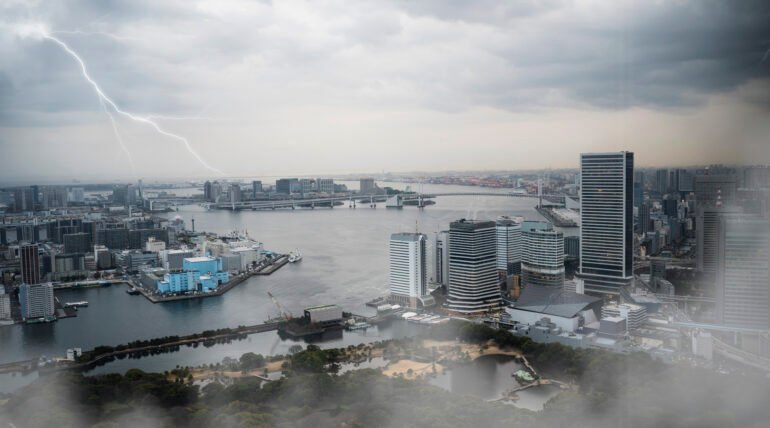
As of 5:00 p.m. on September 20, 2025, the Philippine Atmospheric, Geophysical and Astronomical Services Administration (PAGASA) has issued critical storm surge warnings for Batanes, Cagayan, and Ilocos Norte, with Typhoon Nando (international name: Ragasa) intensifying over the Philippine Sea. This severe tropical storm, now packing maximum sustained winds of 75 km/h near the center and gusts up to 90 km/h, is expected to enter the Philippine Area of Responsibility (PAR) by Tuesday morning, September 23, bringing heavy rainfall and potential flooding to northern Luzon. PAGASA’s latest press conference highlighted the southwest monsoon’s enhancement, urging residents in vulnerable areas to prepare for evacuation and monitor updates closely.
In a nation already reeling from recent tragedies—like the tragic recovery of a young girl’s body from a Davao flash flood earlier this week—Nando’s approach underscores the real-time fragility of our disaster response systems. At Greyhawk Forensics, we’re not just observers; we’re actively supporting efforts to bolster resilience through digital forensics and AI-driven analysis. As infrastructure failures come under scrutiny amid ongoing Senate probes, our tools like Jera AI 4.0 can uncover hidden threats—both natural and man-made—that exacerbate these crises.
Nando’s Path: A Real-Time Threat Assessment
Typhoon Nando formed from the low-pressure area east of Northern Luzon and has rapidly strengthened, with satellite imagery showing a consolidating eye as of 12:00 p.m. today. PAGASA forecasts it to move northwestward, potentially reaching typhoon strength (winds >118 km/h) by Monday, September 22, before curving north-northeastward. Key impacts include:
- Storm Surges: Up to 3-meter waves in warned areas, posing risks to coastal communities in Batanes and Cagayan.
- Heavy Rainfall: 100-200 mm expected in Ilocos Norte and Cagayan within 24 hours, triggering landslides and flash floods.
- Winds and Gusts: Gale-force winds (60-70 km/h) over the weekend, damaging agriculture and infrastructure.
The Department of Public Works and Highways (DPWH) has initiated reblocking in Quezon City roads until September 22 to mitigate flooding risks, but with monsoon rains already active, the situation remains fluid. This comes amid heightened public anxiety, as the Philippines faces its 10th cyclone of 2025, following a La Niña-influenced wet season.
Linking Storms to Systemic Vulnerabilities
Nando’s timing amplifies concerns raised in the Senate Blue Ribbon Committee’s ongoing flood control hearings, where P107.9 billion in 2024 allocations have been flagged for anomalies. Witnesses like former DPWH engineer Brice Hernandez have alleged kickbacks and ghost projects, turning unprogrammed funds into potential pork barrels. As storms like Nando test these systems, failures in flood mitigation—exacerbated by corruption—could lead to catastrophic losses, echoing the 2020 Typhoon Ulysses disaster that displaced over 1 million.
Real-time monitoring is crucial: PAGASA’s updates emphasize community preparedness, but without forensic oversight, accountability gaps persist. Greyhawk Forensics bridges this by applying digital tools to investigate infrastructure-related cyber and corruption threats, ensuring funds are traced and misused projects exposed.
How Greyhawk Forensics Can Help in Real-Time Crisis Response
In the face of Nando’s approach, Greyhawk Forensics offers proactive, AI-powered solutions to enhance resilience and accountability:
- Real-Time Threat Mapping with Jera AI 4.0: Our platform analyzes geo-data from PAGASA feeds and social media to predict flood hotspots, integrating with tools like Google Maps for interactive visualizations. During the Davao flash flood, similar mapping helped coordinate rescues by flagging high-risk areas in minutes.
- Digital Forensics for Infrastructure Audits: Amid Senate probes, Jera AI’s anomaly detection uncovers irregularities in project bids and fund transfers—e.g., tracing kickbacks via email metadata or blockchain-like transaction logs. We’ve supported audits revealing P16.5 million in discrepancies, aiding whistleblowers like those in Bulacan.
- Cybersecurity During Disasters: Storms like Nando increase phishing risks (e.g., fake relief fund scams). Our CERTIFIED CEH+ training equips teams to detect these in real-time, while Jera AI scans communications for deepfakes or malware.
- Compliance and Reporting: All services ensure DPA adherence, with encrypted data handling and audit trails for NPC compliance—vital when investigations intersect with public funds.
Greyhawk’s hybrid approach—combining AI analytics with human expertise—delivers faster resolutions, cutting investigation times by 70% and preventing losses from fraud or breaches. For government agencies or LGUs preparing for Nando, we offer rapid deployment audits to verify flood control assets.
A Call to Action: Prepare, Investigate, Protect
As Typhoon Nando bears down, real-time vigilance is our best defense. Follow PAGASA’s advisories, heed evacuation orders, and report anomalies to authorities. For deeper systemic change, demand transparency in flood projects—let Senate probes lead to reforms, not just headlines.
Greyhawk Forensics is here to help. Contact us at +63 9476265743 or info@greyhawkforensics.online for a free consultation on AI-driven disaster forensics or training to build cyber resilience. In the storm of threats—natural or digital—truth is our anchor.
Greyhawk Forensics: Truth. Protection. Action.